

Introduction
In today’s digital age, healthcare apps have emerged as a vital tool for enhancing patient engagement. These applications not only facilitate communication between patients and healthcare providers but also empower patients to take charge of their health. With the rise of mobile technology, the healthcare sector is witnessing a transformation that improves patient experiences and outcomes.
The Importance of Patient Engagement
Patient engagement is critical for effective healthcare delivery. Engaged patients are more likely to:
- Adhere to treatment plans
- Attend follow-up appointments
- Communicate openly with healthcare providers
- Manage their health proactively
When patients are actively involved in their healthcare decisions, it leads to better health outcomes and increased satisfaction.
How Healthcare Apps Enhance Patient Engagement
Healthcare apps serve multiple functions that contribute to improved patient engagement:
1. Easy Access to Information
Healthcare apps provide patients with easy access to their medical records, treatment plans, and educational resources. This transparency allows patients to understand their health conditions better and make informed decisions.
2. Efficient Communication
Many healthcare apps include messaging features that enable direct communication between patients and providers. This real-time communication helps patients receive timely advice and support, ultimately fostering a stronger patient-provider relationship.
3. Appointment Scheduling and Reminders
Healthcare apps often come with appointment scheduling features, allowing patients to book, reschedule, or cancel appointments with ease. Automated reminders help reduce no-show rates and encourage patients to keep their appointments, thus improving overall adherence to care plans.
4. Personalized Health Tracking
Apps that allow patients to track their health metrics, such as weight, blood pressure, or glucose levels, can motivate individuals to stay engaged with their health. Personalized dashboards provide insights and remind patients of their health goals.
5. Telehealth Services
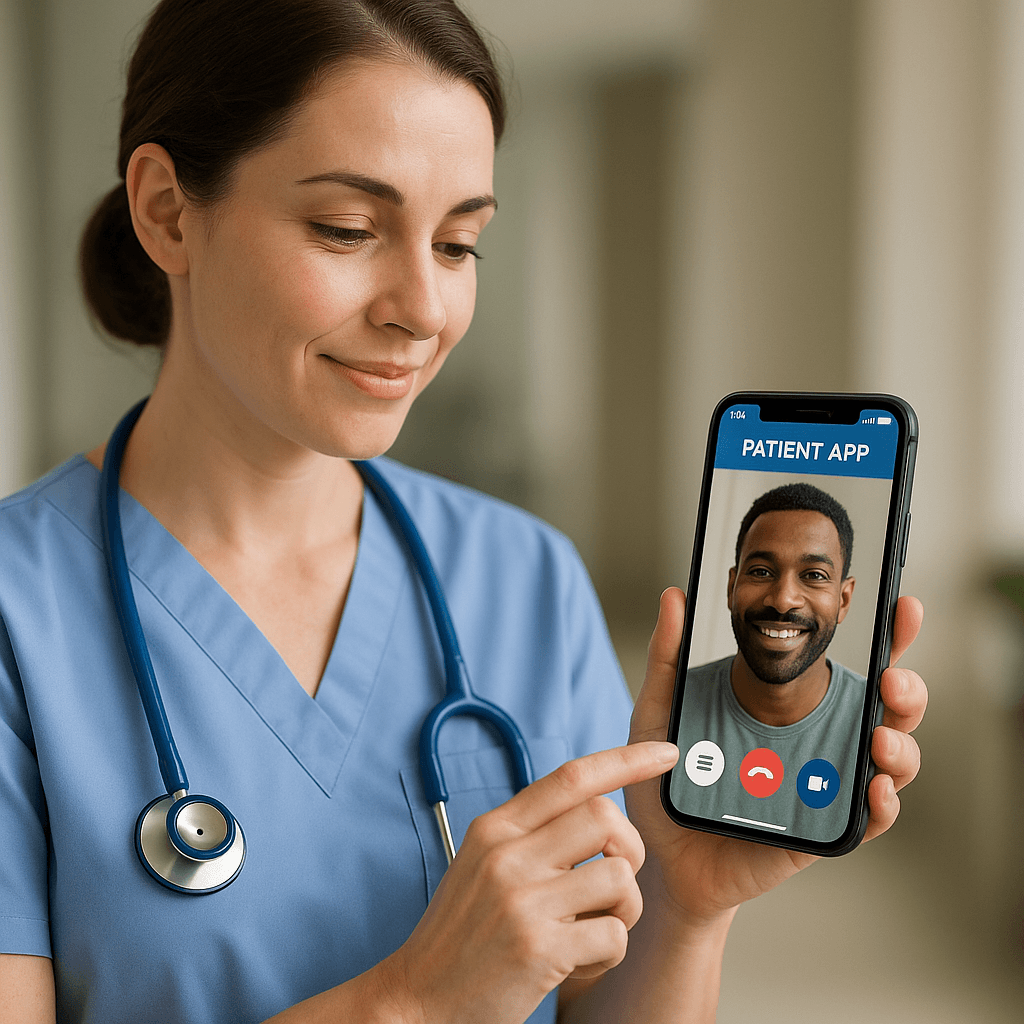
Telehealth capabilities have gained popularity, especially during the COVID-19 pandemic. Many healthcare apps now offer virtual consultations, making it easier for patients to receive care from the comfort of their homes.
Case Studies of Successful Healthcare Apps
Several healthcare applications have successfully improved patient engagement:
- MyChart: This app allows patients to access their medical records, schedule appointments, and communicate with their healthcare team, significantly increasing patient involvement.
- Medisafe: A medication management app that reminds patients to take their medications and track adherence, leading to better health outcomes.
- HealthTap: A telehealth platform that connects patients with doctors for on-demand consultations, enhancing accessibility and engagement.
Challenges and Considerations
While healthcare apps offer numerous benefits, there are challenges to consider:
- Data Security: Protecting patient data is paramount, and developers must ensure compliance with regulations such as HIPAA.
- User Adoption: Not all patients are tech-savvy, so apps must be user-friendly to encourage widespread adoption.
Conclusion
Healthcare apps are revolutionizing how patients engage with their health and healthcare providers. By leveraging technology, these applications empower patients, enhance communication, and improve health outcomes. At Litbylines Technologies, we are committed to developing innovative healthcare solutions that prioritize patient engagement and satisfaction. By embracing these technological advancements, the healthcare industry can continue to improve patient experiences and foster healthier communities.